Our Christmas with PEZidents Lincoln and Garfield

Regular readers of this blog may recall that our five-year-old holds a certain reverence for Abraham Lincoln. The boy was affected by our visit to Ford’s Theater and has since speculated upon the secret burial place of the 16th U.S. president.

I bought a PEZ candy dispenser collection of five presidents. PEZ has many presidents, in groups of five, but I was lucky enough to find the group spanning Lincoln to Garfield. I gave it to my son for Christmas.

before the storm

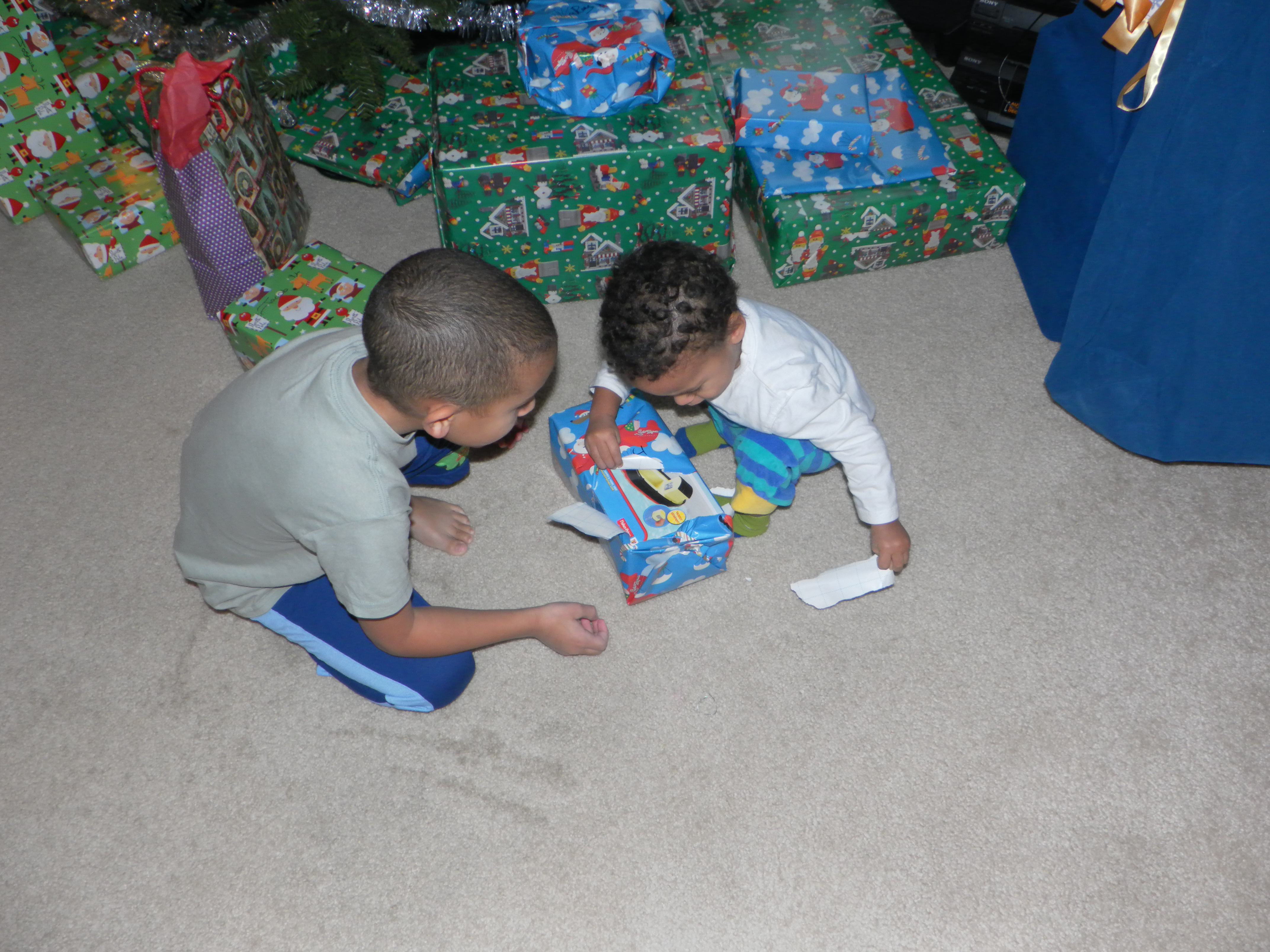
Opening presents together in the calm before the overstimulation.

The boy doesn’t know the other gentlemen behind the plastic cover with Mr. Lincoln, but I thought this might inspire him to learn. His one-year-old brother doesn’t know any of them, but one thing Buster does know is a PEZ candy wrapper when he sees one. He also knows that he enjoys PEZ pellets, regardless of what stranger’s neck they’re issuing from.

Likewise, the five-year-old enjoys a PEZ pellet or two (or an entire sleeve), so by mutual agreement (rare for them), they decided to forgo any collectors’ item value of the set and break out the precious ingots of candy.

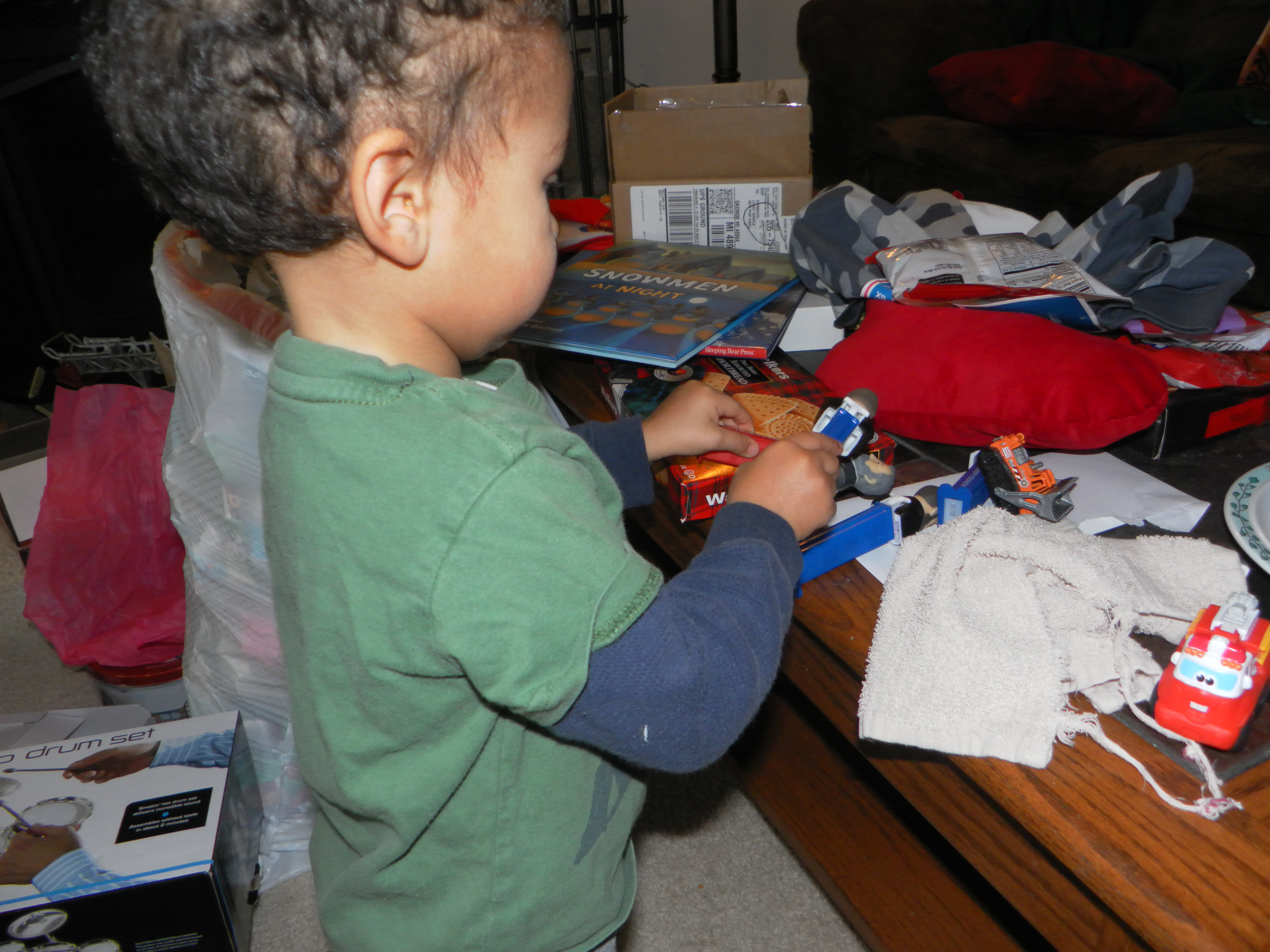
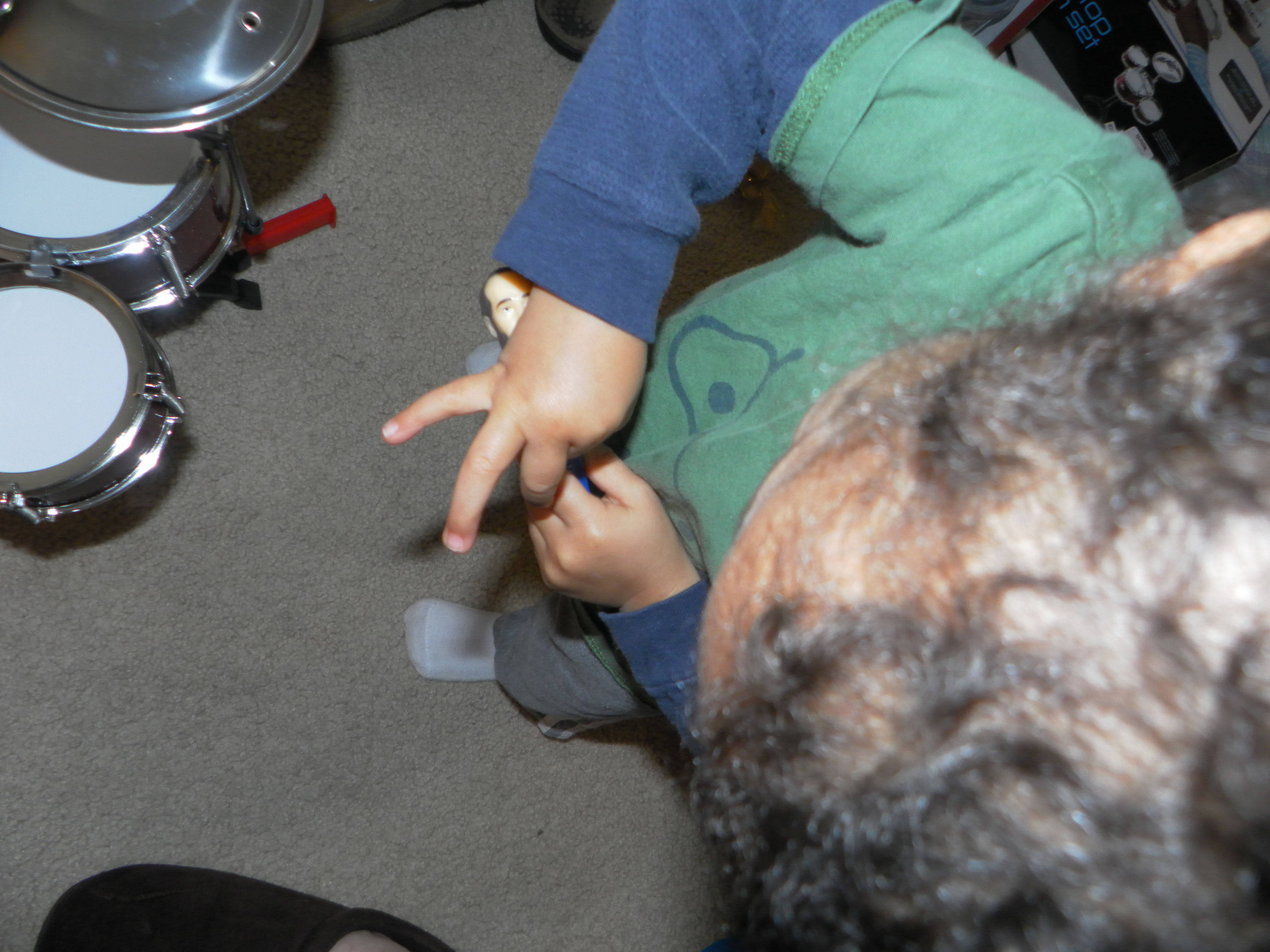
They each chose a dispenser. The big boy chose his favorite, Mr. Lincoln. The little boy chose the nearest, Mr. Garfield. I filled each with half a sleeve of candy and off they went to extract treats from the neck and chest areas of former chief executives.

choosing a PEZ

In a show of good sportsmanship, Mr. Garfield hugs the runners-up before accepting the honor of victory.

I was relieved that nobody chose Mr. Grant. It would have added insult to injury to have children pull lumps from his throat.

PEZident Garfield

“I’m James A. Garfield, dammit! Fill me full of candy!”

The big boy wields a PEZ dispenser with ease, but Buster had to work to get his candy. That’s probably why toddlers don’t use the phrase, Like taking candy from a former president, when describing something easy to do. Buster worked hard and was rewarded with PEZ. At length, the candy was gone and the two dispensers set down, their beneficiaries little imagining the tragic link between the two figures.

Digging into Garfield

Probing Garfield’s innards. The child has no idea how history repeats itself.

That was the apex of our Christmas peace. The strife began when the big boy kept wanting to play with the little boy’s favorite new toys. Being that the little boy’s favorite toy is whichever one the big boy happens to be holding, this was difficult to rectify. We steered Big Brother on to other playthings; each time, Little Brother was vexed at being left with a cast-off toy.

At last we hit the point known to parents of toddlers as TMC: Too Much Christmas. This is when the sensory overload of the day causes a tiny tot to go completely off the rails. It is at this moment when my wife annually declares that we are converting to Judaism before the next Season of Joy to avoid it’s screaming fits.

A good nap often alleviates the symptoms of TMC, unless Big Brother jades Little Brother’s fresh, well-rested outlook by accidentally flying his new RC helicopter into Little Brother’s head. Then, even Abraham Lincoln, with a gullet full of PEZ, can’t emancipate us from tears.

Christmas and presents

All the presents are wrapped. The stockings are ready to be filled. All that’s left is for Santa to show up and move everything into place in the dark of night.

Sometimes Christmas seems more like a deadline than anything else. But when all the goals are met with a day to spare, the relief makes the enjoyment of the Holiday all that much sweeter.

Not that my family is hard to buy gifts for. You don’t have to ask them twice what they would like.

The Kindergartener has made a cottage industry of asking for things. Any toy that is advertised on TV, he wants. Even if the toy is marketed toward girls, he’ll take it. He may not plan to use it as was intended, but Barbie’s jeep can always be cannibalized for spare parts. He wouldn’t look a gift Pretty Little Pony in the mouth. With a few, well-placed scuffs and a shave, it can be turned into a War Horse.

There are some particular toys he would most like to have, but he’ll tell you he wants every toy just in case you go through all the really good ones and still have some extra cash burning a hole in your pocket that you need to spend on a five-year-old. It would be a crying shame if you bought all the toys on his list and then stopped because you mistakenly believed he didn’t want the rest of the toys in the world.

toy soldier Christmas

Getting one last good play out of these old toy soldiers before Santa comes and overshadows them with new toys.

The one-year-old isn’t picky. A good toy to him is whatever feels good in his hand at the moment. It could be a clothes pin or a glass Christmas tree ornament. The only implied stipulation, where Buster is concerned, is that he would prefer that his presents be aerodynamic, should he decide to throw them at his brother’s head on the merest whim.

My wife compiles a short, but solid, list of presents she would gratefully accept. She takes the extra trouble to be very specific, in order that her new gift can be fully integrated with her past gifts. In fact, she would prefer it if I would let her go pick it out herself, just to be on the safe side. Once her “big ticket” present meets her specifications, I am free to add any lesser gifts to the periphery, just as I wish.

I am the most difficult person to get a gift for in our house. My wife fumes when I list things to her like shirts and slippers. She wants me to want something more special. Nobody understands how important slippers are to me. I hate walking on tile floors in socks. When your husband has psychological problems like this, buy him slippers. He and his prissy little toes will love you.

When it comes down to it, what more could I want? Tomorrow morning, my favorite gifts will be dumping out stockings and tearing through wrapping paper like it’s . . . well . . . Christmas.

This is how they do it in the UK

Our kindergartener is into flags and geography. Whenever I’m looking at something on my WordPress dashboard, he always wants me to click on the stats page. “Can we see what flags are there?” he asks. (For those unfamiliar with WordPress, the stats page shows the flags of the countries from which visits to your blog originated.) We go down the list and he names the country that goes with the flag. I make him read the names of the ones he doesn’t know. He seems to enjoy this game, though it gets a little boring on days when all my blog hits come from the US and Canada.

I love that he has an interest in these things because I like flags and geography too. More than that, I think that knowing where different places are makes you more interested in learning what happened (and is happening) there. In my book, a grasp of geography is vital to educating oneself about the world.

It also leads to interesting mealtime conversations and creative fibs.

One day, my son was drinking out of a mug with a handle on it. After quenching his thirst, he said to me, “Daddy, I know how they drink out of cups in the United Kingdom.”

I was not expecting this statement, as I did not know there was a particularly British way to take a drink. Naturally, I was intrigued. “How do they do it in the UK?” I asked.

“Like this.” He lifted up his mug and conspicuously uncurled his pinky finger, extending it out straight, exactly as Queen Elizabeth might do if she ever sipped from a plastic mug with her name printed on it at high tea.

“Oh. That’s how they do it?”

“Yup. Just like that.”

He couldn’t tell me how he came to know such an interesting and amazing fact. He knew it in the way that kindergarteners know such things: he just did.

Spot of tea, Gov'ner?

Even with his low-brow family holding him back, he is determined to blossom into a society gentleman.

A few days later, at breakfast, I was spreading raspberry preserves on a saltine.

“Can I have a cracker?” the boy asked.

I offered him the one I had just spread.

“No. I just want a plain one,” he insisted. “I don’t like that berry stuff. It tastes terrible.”

“How would you know?” I scoffed. “You’ve never even tried it.”

“Yes I did.”

“When?”

“In Germany, in the 1950s.”

Raspberry preserves

As part of the Marshall Plan, post-war Germans were forced to consume ersatz fruit spreads from America.

Well, I guess that explains why I didn’t know about it. I’ve never been to Germany and I wasn’t even born when he went on his European fruit spread sampling tour. Maybe that’s when he popped over to have a drink with Queen Elizabeth and learned her people’s cup handling techniques.

He shut me up. I handed him a plain saltine and for the rest of the meal I sat quietly, trying not to draw attention to the fact that I needed all of my clumsy, provincial fingers to lift my cocoa.

Should I immunize my child against the scourge of adverbs?

One Saturday morning, our kindergartener was watching cartoons when one of the toy commercials that saturate children’s programming came on. I don’t remember what the toy was, but it doesn’t matter; just as he does in response to every other toy commercial, my son told me that he wanted it. He’s like fish in a barrel to toy advertisers. They never miss him.

This commercial must have made the toy look exceptionally fun, because the boy added emphasis to his desire. “Daddy, I want that really badly,” he said.

His statement left me with mixed feelings – not the part about him wanting the next random toy that was advertised. I know how I feel about that; I don’t like it.

My mixed feelings were about his word usage. At first, I was pleased at his understanding of the adverb form. I was happy that he didn’t say, “I want that real bad.”

I could only afford to be impressed for a moment, though, before the word really began raining on my parade. Really is most often a wasted word. We all, including me, use it too much. Nine times out of ten, it adds nothing to the sentiment. “I want that badly,” would have conveyed the depth of his desire just as well. Omitting really doesn’t make me think he wants it the opposite of really badly; I’m not left wondering if he wants it fictitiously badly.

Then, I thought about his choice of the word badly, and the clouds burst above my proud Papa parade. Adverbs take up a lot of space in our sentences without doing much to earn their place. Of the total, questionable population of adverbs, badly is a bad one. I guess it has its place in statements like: “The child expressed his desire badly.” But when you want to use an adverb to add emphasis to a desire, isn’t it better to use one like dearly?

What does it even mean to say you want something badly?


barrier parenting

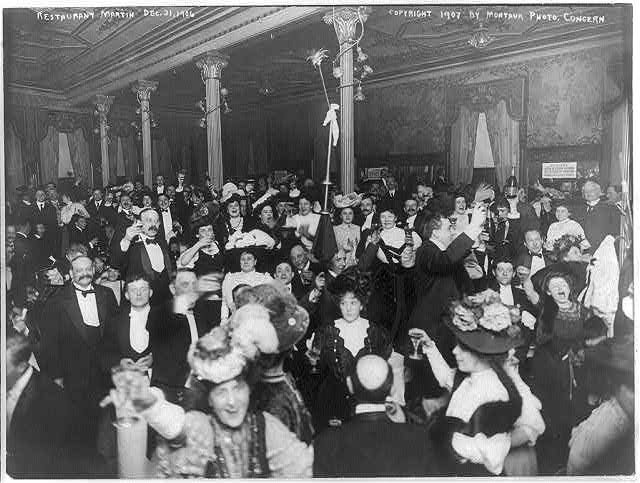
“You’ve erected a barrier between us with your constant desire for toys and your inefficient use of language.” (Image: Gottscho-Schleisner)


This is what too much writing gets you. Sometimes it brings rain to parades that should be clear skies and sunshine, as this one should have been. “I want that really badly,” is a fantastic use of language for a five-year-old. Moreover, what five-year-old is ever going to say, “I want that dearly.”? What 50-year-old says that? The only person I know who would say something goofy like that is neither five nor 50, but he reads too much Victorian era literature.

In the end, I am proud of the boy’s grammar, although I wish he would go back to his simple, “I want that,” at the end of every toy commercial. It’s concise and it will disappoint him no worse than “I want that really badly,” will when he doesn’t get the toy.

Meanwhile, I am happy that I didn’t vocalize my mixed feelings. They were misguided, and I wouldn’t like to embarrass myself speaking such unnecessary words in front of my son.